If you are thinking about buying a rental home in Glendale, it helps to know that this is not a one-size-fits-all market. Glendale combines older central neighborhoods, newer north Glendale communities, major event destinations, and growing job corridors, so your results can vary a lot from one area to the next. In this guide, you will get a practical look at renter demand, neighborhood differences, property condition issues, and key operating rules so you can plan with more confidence. Let’s dive in.
Why Glendale Draws Rental Demand
Glendale has the size and growth that many investors look for in the West Valley. According to the U.S. Census QuickFacts for Glendale, the city’s population reached 258,143 in July 2024, up 3.9% from April 2020. The same source shows an owner-occupied housing rate of 57.2% and median gross rent of $1,528, which points to a meaningful renter base.
That renter pool is also broad. Census data shows 24.5% of residents are under 18, 42.2% identify as Hispanic or Latino, 18.1% are foreign-born, and 35.3% of residents age 5 and older speak a language other than English at home. For you as an investor, that supports the value of clear communication, professional leasing systems, and dependable maintenance follow-up.
At the county level, Maricopa County has also been growing, and housing supply continues to change with it. The Census notes the county reached 4,673,096 residents and recorded 36,380 building permits in 2024. That is a reminder that demand may be strong, but competition from new and existing housing should still be part of your planning.
Key Glendale Demand Drivers
Sports and entertainment corridor
One of Glendale’s biggest rental demand anchors is the city’s sports and entertainment area. The city identifies State Farm Stadium, Westgate Entertainment District, and Desert Diamond Arena as core amenities within a major sports and entertainment district. For rental homes, this often creates interest from households and workers who want easier access to event, hospitality, and service jobs tied to that corridor.
If you are comparing homes, freeway convenience matters here. A property that shortens daily travel time to these activity centers may appeal to renters differently than a home farther away, even if the home itself looks similar on paper.
Loop 303 and New Frontier growth
A second major driver is the New Frontier and Loop 303 corridor. Glendale says this district spans more than 23 square miles and benefits from Loop 303, connections to I-10 and US 60, rail-served property, Northern Parkway access, and proximity to Luke Air Force Base.
The same city source also highlights economic sectors tied to healthcare, education, aerospace, and other major employers. That matters because a diverse job base can support demand from a wide range of renter households, not just one tenant profile.
West Valley job mix
Maricopa County’s West Valley labor market trends reinforce that point. The county points to employer clusters in healthcare, IT, manufacturing, transportation and logistics, and construction, with names including Banner Health, Dignity Health, Amazon Web Services, UPS, DHL, FedEx, XPO, U-Haul, and Carvana.
For you, this means a Glendale rental home may attract both skilled and hourly workers, depending on its location, layout, and commute patterns. That is one reason single-family rental performance can look different from apartment-heavy submarkets.
Neighborhood Differences Matter
One of the biggest mistakes investors make is treating Glendale like a single market. In reality, neighborhood variation is significant, and citywide averages can hide very different price points and rent expectations.
Research in this report shows typical values around $286,868 in The Heart of Glendale, $293,623 in Catlin Court, $414,308 in Manistee Ranch, and $543,119 in Arrowhead Ranch. Arrowhead Ranch also showed average rent around $1,979. The practical takeaway is simple: central historic areas, north Glendale neighborhoods, and newer planned communities should be evaluated separately.
How to Underwrite More Carefully
When you compare Glendale opportunities, focus on the basics that shape rental performance:
- Commute access to major job and activity corridors
- Property age and condition relative to the asking price
- Likely maintenance intensity in the first 12 to 24 months
- Neighborhood-specific price and rent positioning
- Any HOA restrictions that could affect rentals or property use
Glendale’s own General Plan supports this neighborhood-by-neighborhood approach. The city discusses balancing single-family and multifamily housing, along with areas reserved for low-density custom housing. In practical terms, you should expect detached homes, townhomes, and lower-density neighborhoods to come with different acquisition and operating considerations.
What “Rent-Ready” Means in Glendale
In Glendale, rent-ready often means more than cosmetic updates. Desert climate, aging housing stock in some areas, and habitability standards can turn deferred maintenance into a costly issue if you underestimate repairs.
The city’s home repair program information highlights needs such as roof and exterior repairs, accessibility modifications, and drought-friendly front-yard landscaping. While that program is not an investor checklist, it does reflect the kinds of repair categories that matter locally.
For many rental homes, the most important upgrades are the ones that protect livability and reduce turnover risk. That often includes:
- Roofing and exterior condition
- Cooling system performance
- Exterior finishes exposed to heat and sun
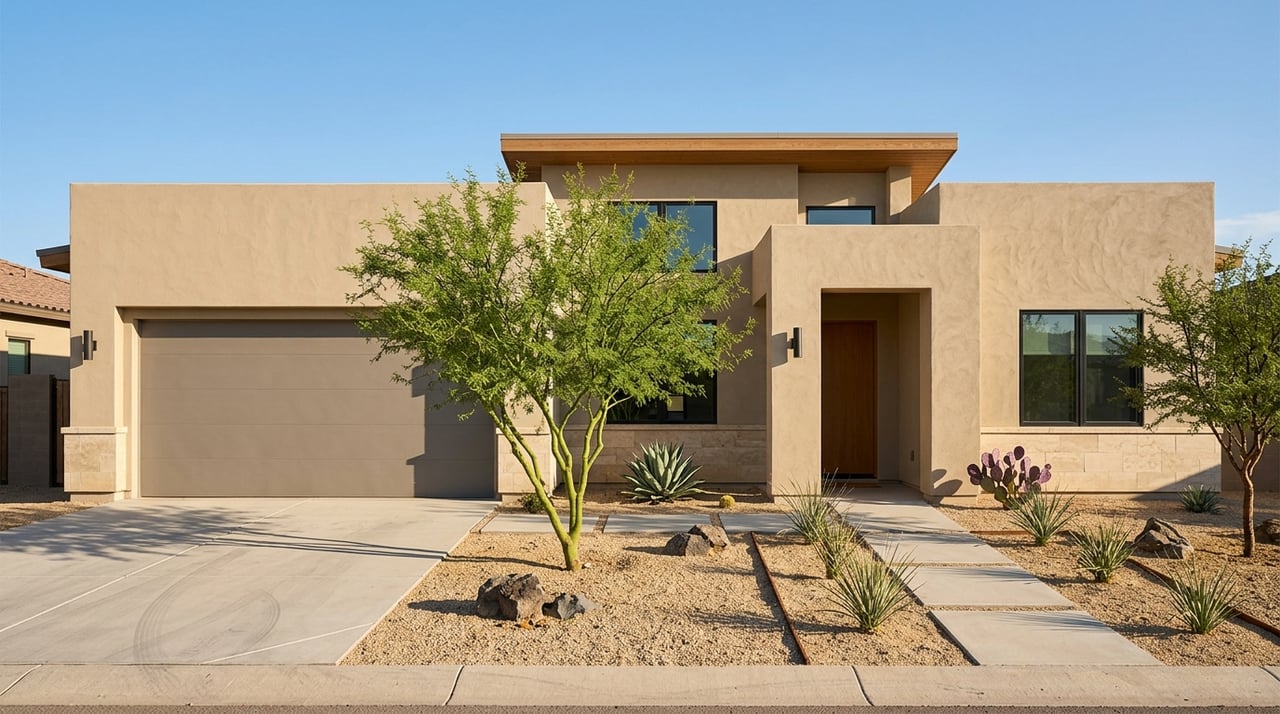
- Low-maintenance desert landscaping
- Safety and function items that affect move-in readiness
Older central Glendale homes may offer a lower entry price, but they can also bring more repair intensity. Newer north Glendale options may require less immediate work, though that does not eliminate the need for property-specific due diligence.
Cooling is not optional
In Arizona, cooling is a core habitability issue. The research report notes that the Arizona Attorney General warns landlords must provide fully operating cooling systems and treat AC failures seriously. For you, this means HVAC age, service history, and summer response plans should be part of your underwriting before you close, not after.
Glendale Rules Investors Should Know
Rental tax changes
Glendale updated its residential rental tax rules in 2025. According to the city’s residential rental guidance, owners of long-term residential rentals of 30 days or more no longer need to report, collect, or remit city transaction privilege tax beginning January 1, 2025. The city also states there is no state or county TPT on residential rentals, while short-term stays under 30 days remain taxable.
That change can simplify operations for many long-term landlords, but it does not remove the need for accurate records and compliance.
County rental registration
Maricopa County requires residential rental property registration through the Maricopa County Assessor. The county states that out-of-state owners must designate an Arizona statutory agent, and it explains that registration helps local governments maintain accurate rental records.
If you plan to self-manage, treat registration and address updates as part of your regular operating checklist. These are not tasks to handle once and forget.
Lease enforcement and eviction process
Arizona landlord-tenant disputes are governed by ARLTA, and the Arizona courts landlord-tenant overview makes clear that landlords cannot simply change locks or shut off utilities. Eviction actions must be filed in the jurisdiction where the rental property is located.
For you, that means strong documentation matters. Clean lease paperwork, consistent notice procedures, and a local legal or property management resource can help reduce stress if a problem arises.
Fair housing compliance
In a diverse city like Glendale, fair housing compliance should be built into your process from day one. The Arizona Attorney General’s Fair Housing Act information states that discrimination is prohibited based on race, color, national origin, religion, sex, familial status, and disability.
That makes consistent screening standards, saved documentation, and reasonable-accommodation procedures essential. Good systems do more than reduce legal risk. They also support a more professional rental operation.
A Practical Glendale Investment Lens
If you want a simple framework, Glendale works best as a neighborhood-sensitive, employment-supported rental market. The strongest opportunities often come from homes that combine practical floor plans, good freeway access, functional cooling, and manageable maintenance needs.
That is usually a more reliable strategy than chasing a property based only on appreciation hopes. In a market with varied housing stock and multiple job corridors, stable operations and smart acquisition discipline can make a meaningful difference.
Whether you are buying your first West Valley rental or comparing Glendale to other Phoenix-area options, the planning stage matters. The right guidance can help you weigh neighborhood tradeoffs, property condition, and long-term operating fit before you commit. If you want a local, concierge-level perspective on buying in the Valley, connect with NEWHAUS Real Estate Team.
FAQs
What makes Glendale, AZ appealing for rental home investors?
- Glendale offers a large renter base, continued population growth, major job and event corridors, and a mix of neighborhood price points that can create different entry opportunities.
What should you check before buying a Glendale rental home?
- Focus on commute access, HVAC condition, roof and exterior maintenance, neighborhood-specific pricing, likely repair needs, and any HOA restrictions that may affect rentals.
What changed with Glendale residential rental tax rules?
- Beginning January 1, 2025, Glendale says long-term residential rentals of 30 days or more no longer require owners to report, collect, or remit city transaction privilege tax, while short-term stays under 30 days remain taxable.
Does Maricopa County require rental registration for Glendale properties?
- Yes. Maricopa County requires residential rental property registration, and out-of-state owners must designate an Arizona statutory agent.
Why is air conditioning such an important issue for Glendale landlords?
- In Arizona’s heat, a working cooling system is a habitability issue, so HVAC condition and repair response planning should be part of your due diligence and ongoing operations.
How should you compare Glendale neighborhoods for rental investing?
- Review each area separately because central Glendale, historic neighborhoods, north Glendale, and newer planned communities can have different values, rents, repair profiles, and operating considerations.