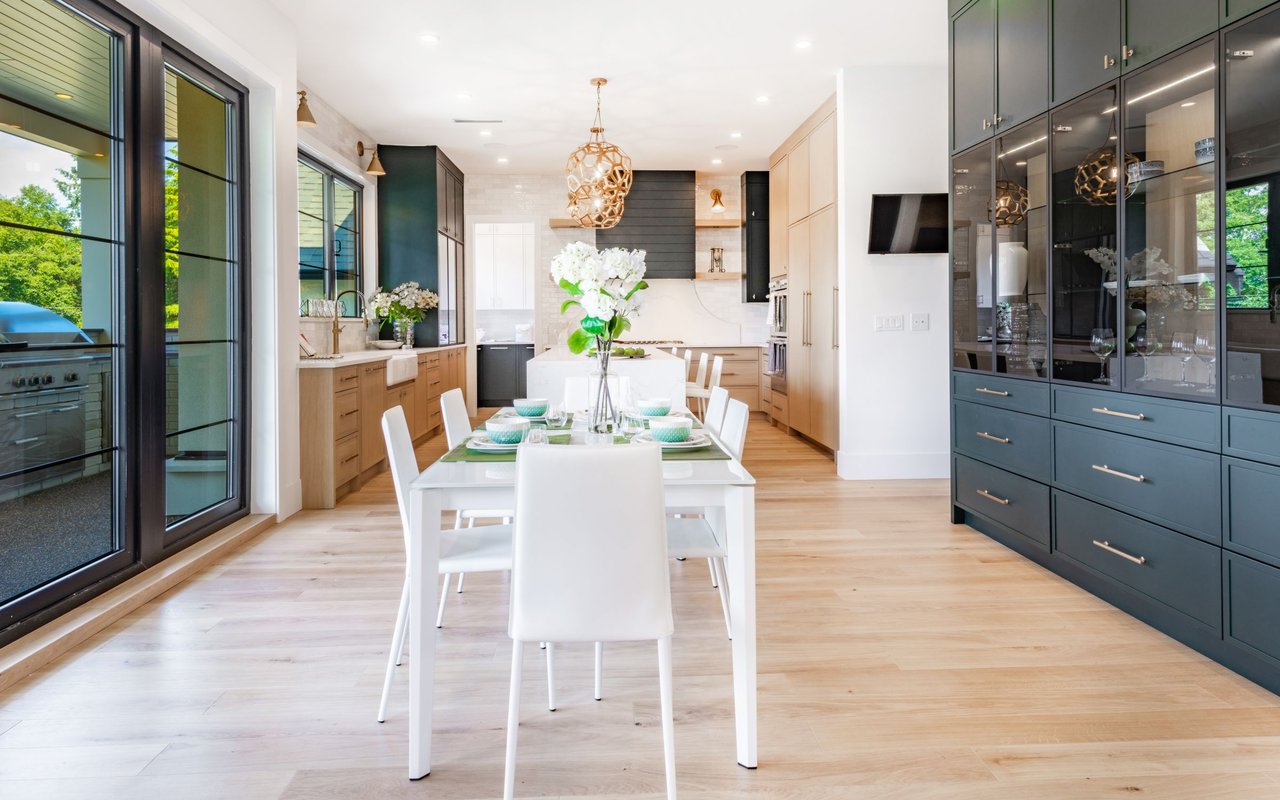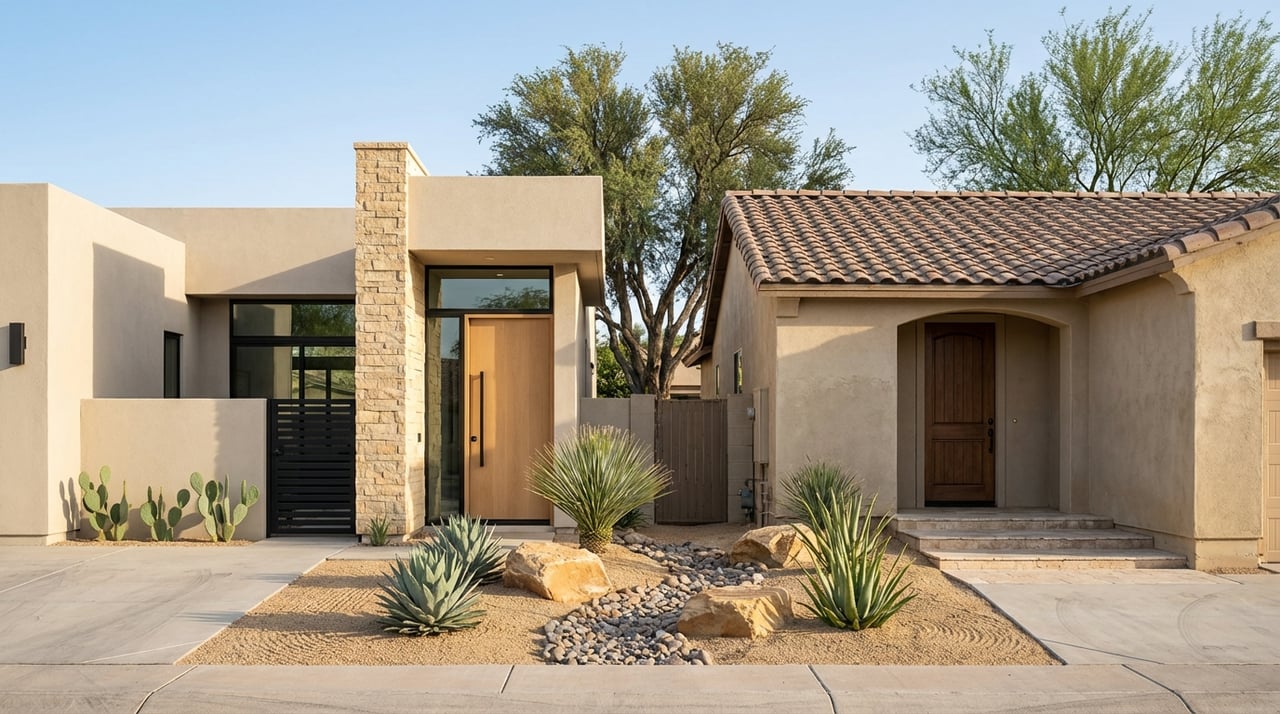
Should you choose a shiny new build or a move-in ready resale in Glendale’s West Valley? It is a big decision with real costs, timelines, and tradeoffs on both sides. You want clarity that fits your budget, your schedule, and your lifestyle. In this guide, you will learn how new construction compares to resale in Glendale, including timing, financing, warranties, incentives, and what to watch on lots and HOAs. Let’s dive in.
Glendale market snapshot
Glendale’s market has been steady in the mid 300s to mid 400s for typical single-family homes. As of January 2026, recent MLS-based trackers showed a median sale price around $429,900. Prices and incentives vary by neighborhood and price tier, so what you see in 85301 can differ from 85308.
New construction remains active across the Valley, with national builders delivering a wide range of floor plans and communities. Local reporting highlights strong new-home activity and frequent builder incentives on closings in recent cycles. You can expect incentives and inventory to vary by community and lot availability, so it pays to compare offers carefully. For background on the Valley’s builder presence, see this overview of Arizona’s new-home boom and the national builders behind it from a local news source like ABC15’s coverage of builder activity in Arizona’s market (Arizona new-home construction boom).
New build vs. resale timelines
If speed matters, resale usually wins. Once your offer is accepted, most Glendale resales close in roughly 30 to 60 days, depending on your lender, title, HOA documents, and negotiated contingencies.
A new build typically takes longer. National data shows common start-to-completion ranges of about 6 to 12 months for production homes, with longer timelines for semi-custom and custom builds. Always leave room for schedule risk related to permits, inspections, weather, materials, and labor (Census build-time data).
New build phases to expect
- Contract and lot selection, plan finalization, and permitting.
- Site work and foundation, then framing.
- Rough-ins for electrical, plumbing, and HVAC.
- Insulation, drywall, and exterior finishes.
- Interior finishes like cabinets, counters, flooring, and fixtures.
- Final municipal inspections, certificate of occupancy, builder walk, and closing.
Financing differences
Most resales use conventional, FHA, or VA mortgages with one closing. Underwriting, appraisal, and HOA review usually fit inside that 30 to 60 day window.
New builds can involve construction financing if you are building from the ground up or doing significant customization. Construction-only or construction-to-permanent loans release funds in draws tied to build milestones and often require inspections before each draw. Construction-to-permanent loans can convert to a standard mortgage at completion so you avoid a second closing. Ask whether any builder incentives require the preferred lender, and compare total cost and terms across options (construction loan basics).
Warranties and Arizona protections
Most builders offer a layered “1-2-10” warranty structure. That is commonly one year for workmanship and materials, two years for major systems like electrical, plumbing, and HVAC delivery, and ten years for covered structural defects. Always read the written warranty to understand definitions, exclusions, and how claims are handled (1-2-10 warranty overview).
Arizona buyers also have state-level recourse. The Arizona Registrar of Contractors (ROC) oversees licensed contractors and maintains complaint procedures and deadlines. For certain construction-related issues, state statutes, including ARS §32-1162, set complaint windows and procedures. Keep records and follow both the builder’s warranty steps and the ROC process if needed (ARS §32-1162, ROC complaint portal).
For new builds, plan independent inspections at key points. A best-practice sequence includes a pre-drywall inspection, a final inspection before closing, and an 11-month warranty inspection to catch items before coverage windows close (Arizona inspection timing tips).
Lot selection in the desert
Glendale’s sun exposure is real. On many plans, large west- or east-facing windows can heat interiors quickly. Look at orientation, shading, and overhangs to reduce summer heat gain and improve comfort. North-south orientation and thoughtful shade strategies often help in the West Valley climate (desert shading guidance).
Also check drainage. Lots near natural washes or engineered channels can carry floodplain or elevation requirements and may affect insurance and permitting. Review county or city flood maps and request the property’s elevation or flood certificate early in the process (Maricopa County flood resources).
Customization, speed, and price
- Production and spec homes. Fastest path to move-in if inventory exists. Limited structural changes, with a curated menu of finishes. Pricing can be efficient but may include premiums for certain lots or upgrades.
- Semi-custom and custom. More design control, longer timelines, and higher cost. Expect more decisions and more schedule risk.
- Maintenance and systems. New construction usually brings modern systems and lower near-term maintenance plus warranty coverage. Resale can offer lower upfront price or larger lots, but budget for any renovation or system updates.
Builder incentives today
In recent Phoenix and West Valley cycles, builders have used incentives to compete with resale. Common offers include rate buydowns, closing cost credits, design studio upgrades, and landscaping or appliance packages. Ask whether incentives require a preferred lender, whether they are temporary buydowns or permanent credits, and how any concessions will be recorded for appraisal.
HOA and governance
New communities are often under developer control for a period before transitioning to a homeowner-elected board. During that time, the declarant may appoint board members and set initial standards and budgets. Review CC&Rs, bylaws, reserve studies, and any transition timetable. Note any special declarant rights that affect assessments, architectural standards, or amendments (HOA transition considerations).
Your decision checklist
- Timeline tolerance. Need to move in within 1 to 2 months? Focus on resale or quick-move-in inventory. Comfortable waiting 6 to 12 plus months for a plan and options? A new build can fit, just budget for schedule risk (build-time ranges).
- Budget clarity. Compare total move-in cost. For new builds, add lot premiums, design upgrades, landscaping, window treatments, and potential higher utility startup costs. For resale, price out likely renovation, system updates, and maintenance.
- Warranties and inspections. Confirm a written 1-2-10 style warranty or insurer-backed structural warranty. Schedule pre-drywall and final inspections plus an 11-month warranty check. Document punch-list items in writing (warranty basics, inspection timing).
- Lot due diligence. Confirm orientation and shade exposure, look for easements or wash proximity, check county or FEMA flood maps, and ask whether the lot requires special foundation or grading. Review HOA rules on landscaping and exterior changes (desert shading guidance).
- Incentives and financing. Ask exactly what the builder is offering, whether a preferred lender is required, if a buydown is temporary or permanent, and how concessions may affect appraisal. Compare total cost of construction-to-permanent loans and conventional financing.
- Builder vetting. Review the Arizona ROC license and complaint history. Ask how warranty service is handled and request references from recent closings in the Valley. Verify independent inspections for comparable inventory homes (check ROC).
Ready for clarity?
Whether you want the instant gratification of a great resale or the fresh start of a new build, the right plan depends on your timeline, budget, and comfort with decisions. Our team guides you through lot selection, incentive comparisons, inspection timing, and HOA due diligence so you can move forward with confidence. If you are weighing options in Glendale or the greater West Valley, connect with the NEWHAUS Real Estate Team for a personalized plan.
FAQs
How long does a new build take in Glendale?
- Many production homes finish in about 6 to 12 months from start of construction, with semi-custom and custom taking longer. Always budget time for permits and inspections.
What inspections should I order on a new build in Arizona?
- A pre-drywall inspection, a final inspection before closing, and an 11-month warranty inspection are common best practices with independent, licensed inspectors.
How do builder incentives work in the West Valley?
- Incentives often include rate buydowns, closing cost credits, and design upgrades. Ask if a preferred lender is required and whether credits are temporary or permanent.
What should I check about a Glendale lot?
- Confirm sun exposure and shading, review drainage and any floodplain issues, and ask about HOA rules and any special foundation or grading requirements.
How do HOAs differ in new communities?
- New communities are often under developer control at first. Review CC&Rs, budgets, reserves, and the transition plan to a homeowner-elected board before you buy.