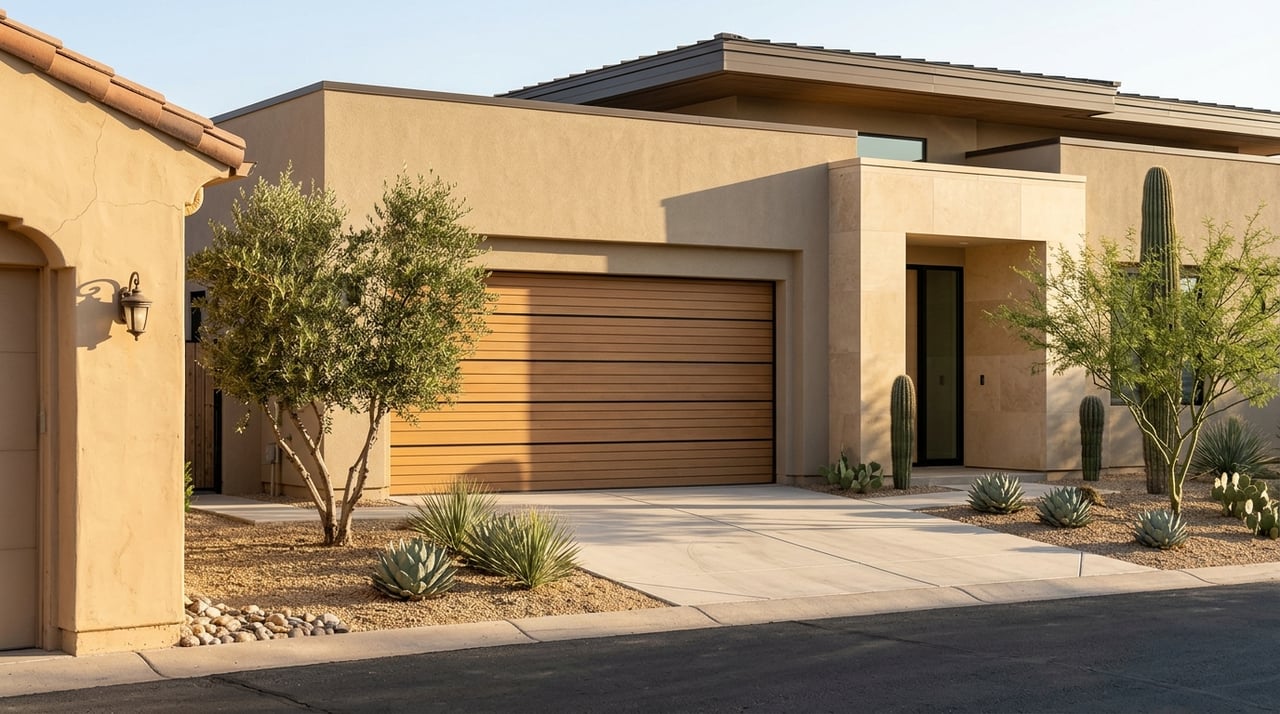
Wondering whether a brand-new home or a resale property makes more sense in Phoenix right now? You are not alone. With thousands of new housing units authorized across the Phoenix metro and buyers weighing timeline, condition, cost, and flexibility, this choice can feel bigger than it first appears. The good news is that each path offers real advantages, and the best fit depends on how you want to live, how quickly you need to move, and how much uncertainty you are comfortable managing. Let’s dive in.
Phoenix new builds in context
Phoenix remains one of the more active new-construction markets in the country. City of Phoenix data shows that the Phoenix MSA authorized 45,515 new privately owned housing units in 2024, and 8,997 of those were within the city of Phoenix.
That volume matters if you are shopping in Phoenix Metro because it means new construction is not a niche option. The same city data says 66.3 percent of authorized units were single-family homes, so many buyers are deciding between a detached new build and an existing resale home.
New construction is also showing up in different settings. You will find it in large master-planned areas, including North Gateway, but also in infill and smaller-lot development closer to central Phoenix.
New builds vs resale homes
At a high level, new builds usually appeal to buyers who want a more current floor plan, fewer immediate repair projects, and some level of design selection before closing. Resale homes often appeal to buyers who want an established property, a faster closing path, or a home where the exact lot, layout, and surrounding streetscape already exist.
Neither option is automatically better. In Phoenix, the real question is which tradeoffs fit your priorities best.
What new builds often offer
New construction can give you a cleaner slate. Depending on the community and build stage, you may be able to choose finishes, cabinets, flooring, or other features before the home is complete.
That said, not every new build is fully custom. Phoenix processes such as the city’s pre-approved ADU standard plans show that some new-home options are more standardized than bespoke, which is a helpful reminder that builder selection packages can still come with set limits.
What resale homes often offer
A resale home gives you the chance to evaluate the full property as it exists today. You can see mature landscaping, room sizes, traffic flow, storage, and neighborhood context without waiting for a future phase to finish.
If you want to personalize a resale home later, that usually happens through updates or remodeling after closing. In Phoenix, many common changes require permits, including additions, remodels, fences, walls, and garage or porch work, so renovation plans should be reviewed carefully before you commit.
Timeline differences matter
One of the clearest differences between a new build and a resale home is timing. New homes move through plan review, permitting, and multiple stages of inspection, so they usually take longer to complete than a typical resale purchase.
Phoenix requires full residential plan submittals and reviews for new single-family homes, duplexes, and townhomes. The city also conducts inspections at critical stages such as foundation work, framing, and pre-drywall.
By contrast, a resale purchase is usually built around the existing condition of the property. That often makes the path to closing more direct, even if the inspection period still uncovers repairs or contract negotiations.
When a longer timeline helps
A longer build timeline can be a benefit if you are planning a move in advance. It may give you more time to prepare your current home for sale, organize a relocation, or coordinate the sale and purchase more carefully.
For some buyers, that extra runway reduces stress. For others, especially if you need housing quickly, the wait can feel like a major drawback.
Inspections are important in both cases
Some buyers assume a brand-new home does not need an outside inspection. That is not the safest approach.
Phoenix city inspections focus on code compliance at required stages. They are important, but they are not the same as hiring an independent inspector who works for you.
Consumer guidance cited in the research recommends arranging an independent home inspection as soon as possible so there is time to address issues before closing. That advice applies to new construction and resale homes alike.
New-build inspections still matter
With a new home, independent inspections can help you spot issues before the walls are closed up or before final closing. Since city inspections happen at stages like framing and pre-drywall, timing your independent review can be especially useful.
This does not mean something is wrong with every new build. It means you should protect your interests with your own due diligence.
Resale inspections drive negotiations
With resale homes, the inspection often becomes one of your strongest negotiation tools. Consumer guidance notes that buyers may negotiate with the seller over repairs or credits, and if the contract includes a satisfactory inspection contingency, an unsatisfactory inspection can allow the buyer to cancel without penalty.
That can create more flexibility in a resale transaction. It can also reveal repair needs that affect your budget right away.
Warranties and defect protection
Warranties are another major point of difference. A new home may come with a builder warranty, while a resale home may involve a separate paid service contract often marketed as a home warranty.
Those two things are not the same. The Federal Trade Commission distinguishes builder warranties from home warranties, and the coverage can differ in important ways.
What builder warranties may cover
According to the FTC, typical builder warranty coverage may include:
- One year for workmanship and materials on most components
- Two years for HVAC, plumbing, and electrical systems
- Sometimes 10 years for major structural defects
The FTC also notes that builder warranties usually do not cover everything. Appliances may be excluded, small cosmetic cracks may not be covered, and temporary living expenses during repairs are usually not included.
Arizona protections buyers should know
Arizona gives buyers added protection beyond the builder’s written warranty. In Zambrano v. M & RC II LLC, the Arizona Supreme Court held that public policy prohibits a builder-vendor and homebuyer from disclaiming and waiving the implied warranty of workmanship and habitability in favor of an express warranty.
Arizona law also defines construction defects to include code violations, defective materials, and failure to meet generally accepted workmanship standards. If defects appear after closing, Arizona’s dwelling-action statutes require written notice and give the builder an opportunity to repair or replace alleged defects before litigation.
Arizona also says a buyer may file a written complaint against the homebuilder with the Registrar of Contractors within two years after close of escrow or actual occupancy, whichever comes first. The Registrar of Contractors also states that protections apply whether you buy a new home or have other residential work done, and the state’s recovery fund exists as a form of financial protection for residential homeowners.
Negotiation looks different
Many buyers walk into a builder sales office expecting a simple price conversation. In reality, new-construction negotiation often centers on more than base price.
Consumer guidance says builders often work with an associated mortgage lender, but you do not have to use that lender. Builders may also require an upfront deposit, and buyers can shop around for a better deal.
New-build negotiation points
With a new build, the most important comparison points often include:
- Builder incentives
- Deposit terms and refund language
- Rate offers from the builder’s lender versus outside lenders
- Closing-cost credits
- Upgrade packages and finish allowances
- Expected closing timeline
- Warranty terms and exclusions
Consumer guidance also says comparing at least three Loan Estimates can help buyers negotiate. That can improve your leverage on rate, lender credits, and closing-time certainty.
Resale negotiation points
With resale homes, negotiations usually focus more on the actual home in front of you. That may include purchase price, requested repairs, seller credits, inspection findings, and timing.
This can feel more straightforward because the home already exists in finished form. On the other hand, an older property may bring more repair uncertainty after you move in.
Customization versus post-close projects
If you care deeply about finishes and layout, new construction may feel more appealing. You may be able to make many of your decisions before move-in, which can reduce the need for immediate projects.
Still, the degree of customization depends on the builder, the community, and the stage of construction when you go under contract. A quick move-in home may offer much less flexibility than a to-be-built home.
With a resale purchase, personalization usually happens after closing. That can work well if you are comfortable renovating over time, but it is wise to confirm permit requirements early since Phoenix requires permits for many common residential alterations.
Which choice may fit you best?
If you want a more predictable finish level, possible builder warranty coverage, and some pre-closing design choices, a new build may be the better fit. If you prefer a potentially faster path, want to evaluate the exact home and lot today, or like the idea of negotiating based on current condition, a resale home may be more attractive.
In Phoenix Metro, both paths can work well. The key is understanding where your priorities sit on the spectrum of timeline, customization, negotiation style, and repair risk.
A concierge-minded advisor can help you compare the real cost of incentives, review inspection strategy, and keep the process clear from start to finish. If you are weighing new construction against resale in Phoenix, Scottsdale, North Scottsdale, Paradise Valley, or nearby communities, the [NEWHAUS Real Estate Team] can help you make a smart, well-supported decision.
FAQs
Should you get an independent inspection on a Phoenix new build?
- Yes. Phoenix city inspections focus on code compliance, and consumer guidance recommends hiring an independent inspector who represents your interests before closing.
Can you use your own lender for a Phoenix new-construction purchase?
- Yes. Consumer guidance says you do not have to use a builder-affiliated lender, and shopping multiple Loan Estimates can improve your negotiating position.
Is a builder warranty the same as a home warranty in Arizona?
- No. A builder warranty relates to new construction or a remodel, while a home warranty is typically a paid service contract often associated with existing homes.
What happens if defects appear after closing on an Arizona new build?
- Arizona law provides a notice-and-repair process, and a buyer may also file a written complaint with the Arizona Registrar of Contractors within two years after close of escrow or actual occupancy, whichever comes first.
Are Phoenix resale home remodels subject to permits?
- Often, yes. Phoenix requires permits for many common residential projects, including remodels, additions, fences, walls, and garage or porch work.