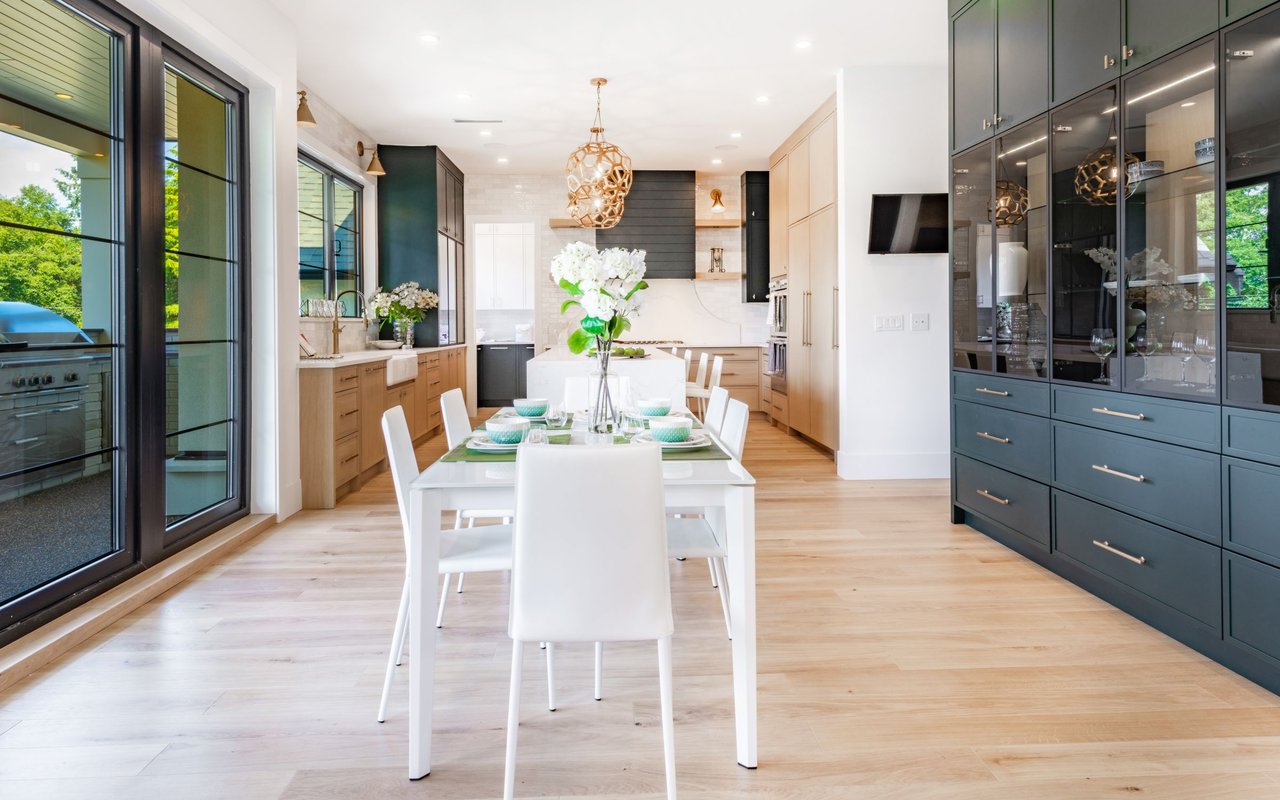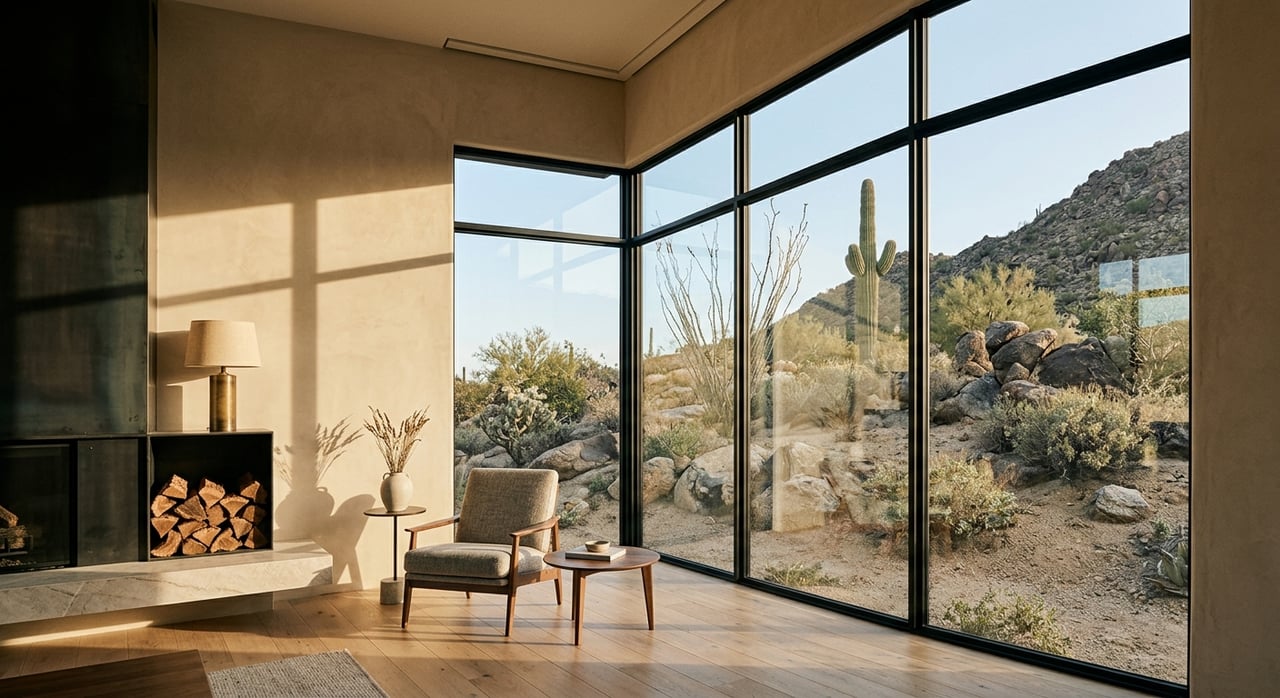
What makes one Fountain Hills home feel unforgettable while another, with a similar layout and size, trades at a very different price? In this market, the answer is often the view. If you are buying or selling in Fountain Hills, understanding how desert views influence value can help you price more wisely, market more effectively, and spot what truly sets a property apart. Let’s dive in.
Why views matter in Fountain Hills
Fountain Hills is unusually sensitive to views because of its geography. The town spans 13,006 acres, sits roughly 500 feet above Phoenix, and rises from about 1,520 feet at the fountain to around 3,000 feet on Golden Eagle Boulevard, with the McDowell Mountains shaping the backdrop.
That elevation change creates a patchwork of sightlines rather than a uniform landscape. Some homes enjoy broad mountain panoramas, open desert backdrops, city lights, or even views toward the Fountain, while others may have only partial or more easily interrupted outlooks.
The town also places real emphasis on scenic character. Official town materials describe scenic views, natural desert terrain, and visual aesthetics as part of Fountain Hills’ identity, and the General Plan says the community continues to protect hillsides, washes, and view corridors.
That matters because it supports a simple truth: in Fountain Hills, views are not just a luxury talking point. They are part of the town’s built environment, local culture, and housing appeal.
What counts as a premium view
Not all views carry the same value. Research shows that a view is better understood as a bundle of features, not a simple yes-or-no amenity.
In Fountain Hills, a premium view usually includes some combination of mountain, desert, open-space, golf-course, fountain, or city-light views. The strongest premiums tend to come from views that feel broad, open, and visible from the rooms and outdoor areas where you spend the most time.
A wide, unobstructed sightline from the main living area, kitchen, primary suite, or covered patio will usually matter more than a small glimpse from a secondary bedroom. Buyers often respond to how the view lives day to day, not just how it looks in a single photo.
The best views are layered
A strong view often has more than one visual element. For example, a property might combine desert foreground, mountain backdrop, and evening city lights.
That layered effect can feel more dynamic and rare than a single-note outlook. It also helps explain why two homes with “views” can still land at very different price points.
Protection matters too
A view tends to be worth more when it feels harder to lose. If a home backs to open space or benefits from a protected corridor, buyers may see that sightline as more durable than one that could be narrowed by nearby structures or changes around it.
This is one reason scarcity plays such a big role in Fountain Hills pricing. A protected, usable view is often more valuable than a similar-looking view with more risk of obstruction.
Why similar homes can price differently
If you have ever wondered why one Fountain Hills home sells for more than a nearby home with similar square footage, the lot is often a big part of the answer. View value is highly location-specific.
Elevation is a major factor. Homes on higher lots may capture wider mountain ranges, stronger city-light views, or more open desert outlooks than homes lower on the slope.
Rear-yard orientation also matters. A home that frames the best natural scenery from its patio and main living spaces may have a stronger market position than one where the view is off-angle or less visible in everyday use.
Nearby structures can change the equation as well. A broad panorama over open land tends to feel more valuable than a narrower sightline looking between rooftops.
The setting around the view affects value
Research also shows that the environment framing the view can add or subtract value. Attractive nearby improvements can help, while poor landscaping can have a meaningful negative effect.
In practical terms, buyers are not just evaluating what lies beyond the lot line. They are also taking in the patio edge, pool area, plantings, fencing, and how cleanly the home presents the view from inside and out.
That is especially important in a desert setting, where clutter, deferred maintenance, or distracting backyard elements can compete with the natural scenery. A view property should feel composed, open, and easy to enjoy.
What current market signals show
Current market data supports the idea that Fountain Hills buyers assign real value to views, even if there is no single fixed premium that applies to every home. Redfin reported a March 2026 median sale price of $725,000 in Fountain Hills, while Realtor.com reported a median listing price of $730,000 and described the town as a balanced market, with homes selling for 2.63% below asking on average.
Within the town, neighborhood price points vary dramatically. Reported median listing prices ranged from $270,000 in Fontana to $4.525 million in Eagles Nest, with Firerock at $2.595 million, Sunridge Canyon at $1.575 million, and Eagle Mountain at $885,000.
That spread does not mean views are the only reason values differ. But it strongly suggests that elevation, privacy, and access to desirable sightlines are being reflected in pricing alongside home size, finishes, and lot characteristics.
Listing language tells the story
You can also see the market’s priorities in how homes are described. Listings in Eagles Nest emphasize unobstructed mountain views and view corridors toward the Fountain and Superstition Mountains.
In Firerock, listings often highlight sweeping golf-course and mountain views. In Eagle Mountain, open-space backdrops and city lights show up often, while Sunridge Canyon listings point to canyon, mountain, and city views.
When the same themes appear again and again in listing copy, that is a clear signal. The market does not treat views as generic extras. It treats view type and view direction as saleable assets.
What buyers should look for
If you are buying in Fountain Hills, it helps to go beyond the phrase “great views.” That label can mean many different things.
Instead, pay attention to the exact view asset. Is it mountain, desert, golf course, city lights, fountain, or a combination? Is the view broad and centered, or partial and off to one side?
You should also consider where the view is experienced. A strong patio view is valuable, but if the main living spaces do not capture it well, the day-to-day benefit may be smaller than you expect.
It is also smart to notice what helps preserve the outlook. Open space behind the home, a wash, hillside placement, or established view corridors may support long-term appeal.
A buyer checklist for view homes
- Stand in the primary living room and note the sightline
- Check the view from the kitchen and primary bedroom
- Step onto the patio and look at both foreground and distance
- Notice whether nearby roofs, walls, or landscaping interrupt the outlook
- Ask yourself whether the view feels broad, layered, and usable every day
- Observe how the property itself frames the scenery
What sellers should emphasize
If you are selling a Fountain Hills home, the key is to be specific. “Nice views” is not nearly as persuasive as clearly identifying what the view is and where buyers experience it.
For example, a stronger message might focus on mountain views from the great room, city lights from the covered patio, or open-space desert vistas from the primary suite. Specificity helps buyers understand the value before they ever visit.
Presentation matters just as much. Because research shows surrounding improvements and landscaping influence perceived value, sellers should treat the view as something to frame, not just mention.
How to present a view property well
- Clear visual clutter from patios, balconies, and rear yards
- Refresh landscaping so the foreground feels clean and intentional
- Make windows and glass doors spotless before photography and showings
- Arrange furniture to draw attention toward the sightline
- Highlight the strongest view moments in listing photos and tours
- Describe the exact view type in marketing, not just the word “view”
The town’s own messaging around visual appeal and proper outdoor storage reinforces this point. In a place where scenic character matters, upkeep and presentation can directly shape how buyers experience the home.
The bottom line on view premiums
Fountain Hills does appear to have a real view premium, but it is not one-size-fits-all. Research shows view value can vary widely depending on quality, scope, distance, surrounding improvements, and landscaping.
In this market, the biggest drivers are usually elevation, sightlines, orientation, and how protected the view feels. That is why one home may command stronger interest and pricing than another, even when the homes look similar on paper.
If you are buying, it helps to look carefully at what the view actually offers and how it fits your daily life. If you are selling, the goal is to identify the true view asset, present it beautifully, and position it with precision.
When you want thoughtful guidance on how your Fountain Hills home’s setting may influence value, the NEWHAUS Real Estate Team can help you evaluate the details, craft a smart strategy, and move forward with confidence.
FAQs
How do desert views affect Fountain Hills home values?
- Desert views can increase value in Fountain Hills, but the impact depends on factors like elevation, view width, orientation, nearby improvements, and whether the sightline feels protected or unobstructed.
What types of views are most valuable in Fountain Hills?
- Premium views often include mountain, desert, open-space, golf-course, fountain, and city-light views, especially when they are broad, layered, and visible from main indoor and outdoor living spaces.
Why do two similar Fountain Hills homes have different prices?
- Two similar homes can price differently because lot elevation, rear-yard orientation, adjacent structures, landscaping, privacy, and open-space positioning can all change how strong and usable the view feels.
What should sellers highlight about a Fountain Hills view home?
- Sellers should name the exact view asset, explain where it is seen from, and make sure the home and yard frame the view cleanly through staging, upkeep, and strong marketing photography.
Do all Fountain Hills neighborhoods have the same view premium?
- No. Current market pricing and listing language suggest that view-related value varies widely by neighborhood and property location, with some areas more strongly associated with unobstructed mountain, golf-course, canyon, or city-light views.