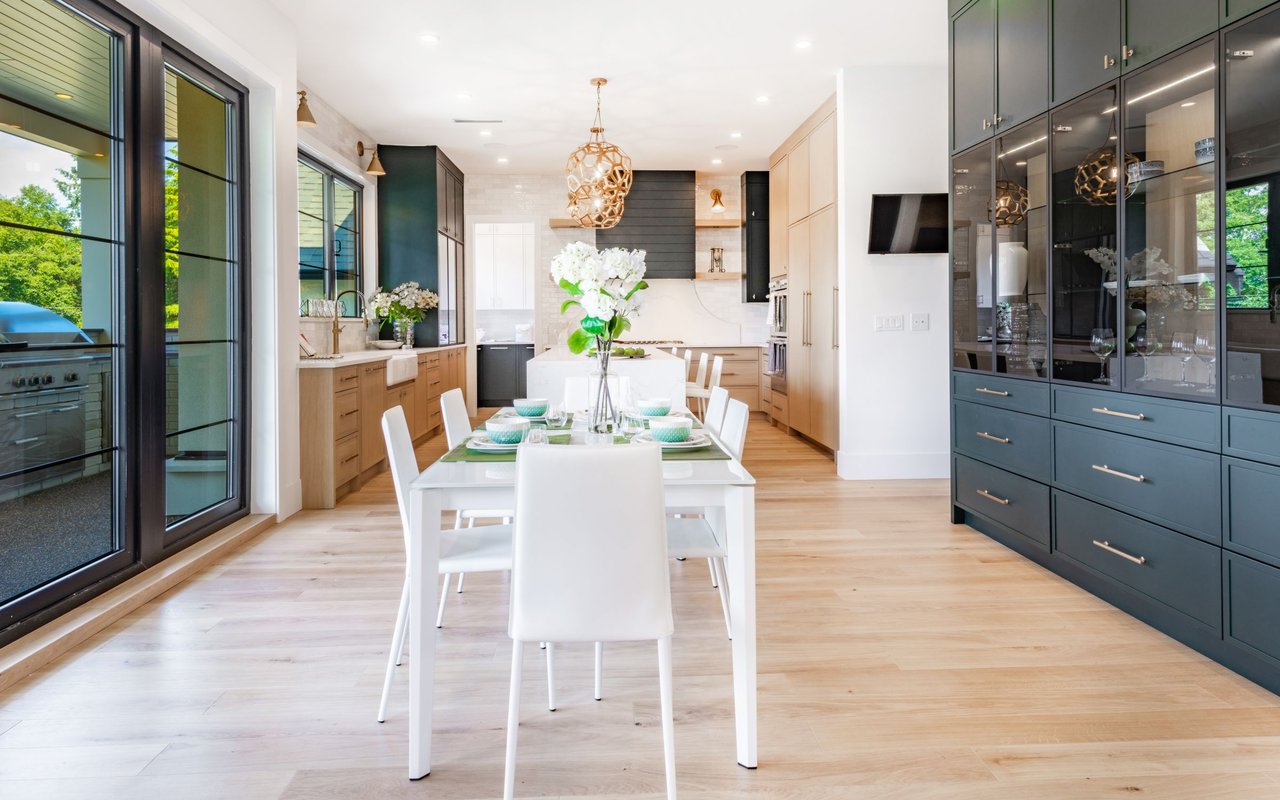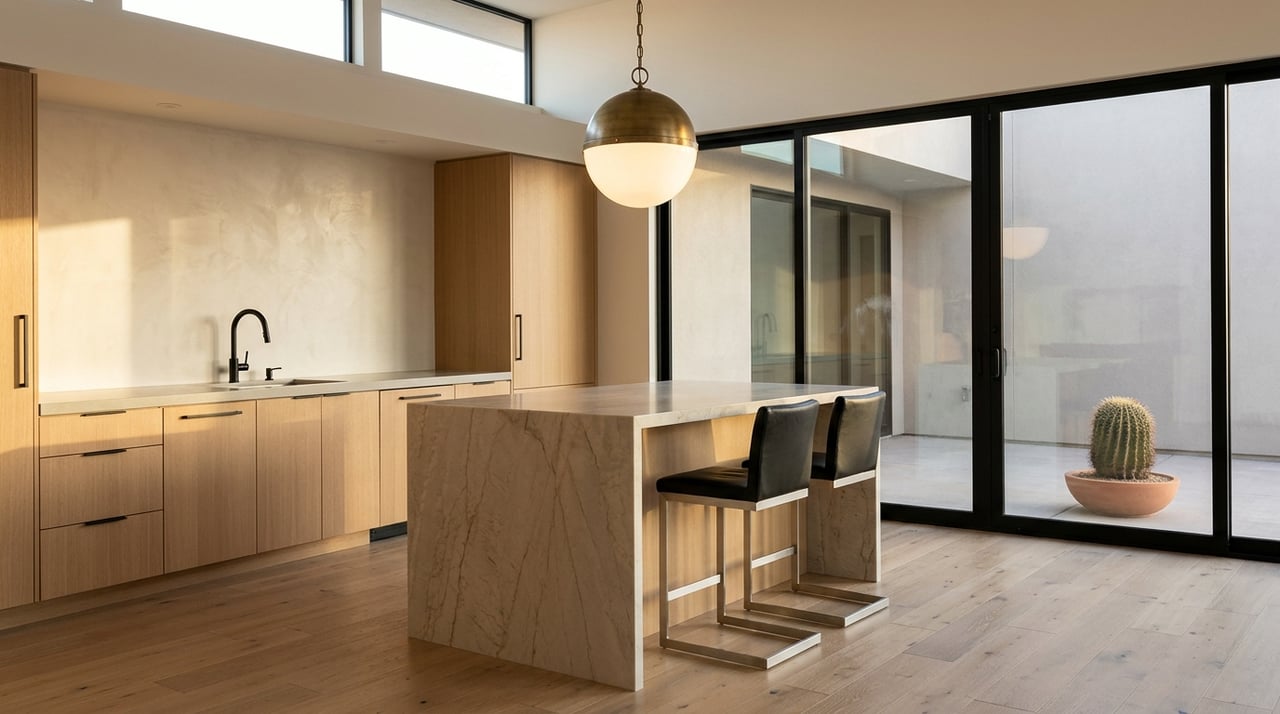
Thinking about buying a brand-new home in Scottsdale? It can be an exciting move, but new construction comes with its own rules, timelines, and decisions that can catch buyers off guard. If you want a smoother experience and fewer surprises, it helps to understand how Scottsdale’s process works before you sign anything. Let’s dive in.
Why Scottsdale new construction is different
Buying a new construction home in Scottsdale is not quite the same as buying a resale home. Your purchase may be shaped by local planning, permits, inspections, subdivision documents, and community rules that affect the property long before move-in day.
According to Scottsdale Planning and Development Services, the city oversees long-range planning, building plan review, and construction inspections. That matters because city review and inspection timing can influence when a home is completed.
Water planning is another Scottsdale-specific point buyers often ask about. The city states that it has an assured water supply for its service area, which is helpful context for many new subdivisions served by Scottsdale Water. Even so, you still need to review the subdivision-level details in the public report so you understand the actual water provider, utilities, and any related restrictions.
Start with the public report
Before you sign a purchase contract, Arizona law requires that you receive the subdivision public report. The Arizona Department of Real Estate buyer checklist explains that this report should cover key items such as flood and drainage information, utilities, community amenities, taxes, assessments, adjacent land uses, completion assurances, and property-owner-association details.
This is one of the most important documents in a Scottsdale new-build purchase. It gives you a clearer picture of what you are buying beyond the model home and marketing materials.
As you review it, pay close attention to:
- Utility service details
- Drainage and flood-related information
- Adjacent land uses
- HOA rules and fees
- Taxes and special assessments
- Community amenities and completion timelines
ADRE also advises buyers to check zoning maps, future road plans, CC&Rs, and the builder’s Arizona Registrar of Contractors status before committing. In practical terms, that means the empty parcel behind a beautiful lot today may not stay empty forever.
Lot choice matters in Scottsdale
In many Scottsdale communities, the lot can be just as important as the floor plan. A premium lot may offer more privacy, different views, or less impact from future traffic, but those benefits should be evaluated through due diligence, not assumptions.
Because ADRE recommends reviewing nearby zoning and road plans, it is smart to ask what could eventually be built around the community. Future apartments, commercial uses, or road expansions can affect noise, privacy, and views over time.
When comparing lots, consider questions like:
- What is behind and next to the homesite?
- Is nearby vacant land already zoned for another use?
- Could future roads change traffic patterns?
- Are there HOA rules that affect fences, landscaping, or exterior changes?
These details may not change your interest in the home, but they can help you choose with more confidence.
Compare builder incentives carefully
One of the biggest mistakes buyers make is focusing only on the base price. In 2025, NAR reported that many builders were using price cuts, mortgage-rate buydowns, and upgrade packages to attract buyers.
That can create real opportunity, especially if you are comparing new construction to resale options in Scottsdale. But the best deal is not always the one with the lowest advertised number.
Instead, compare the full package, including:
- Base price
- Lot premium
- Upgrade credits or design allowances
- Mortgage-rate buydown incentives
- Closing cost support
- Estimated monthly payment
A home with a slightly higher base price may still offer better overall value if the builder is contributing to financing or upgrades.
Budget beyond the list price
A new home purchase often comes with extra costs that buyers underestimate. The Consumer Financial Protection Bureau says closing costs typically range from 2% to 5% of the purchase price, not including your down payment.
On top of that, you may need to budget for moving expenses, furniture, window coverings, appliances if they are not included, and future improvements. New construction can feel move-in ready, but there are often finishing touches that add up quickly.
A simple budgeting list should include:
- Down payment
- Closing costs
- Earnest money
- Design-center upgrades
- Moving expenses
- Furniture and décor
- Post-closing improvements
Giving yourself room in the budget can make upgrade decisions easier and reduce stress as closing approaches.
Choose upgrades early when possible
If the home is still early in the construction process, you may have a chance to select finishes such as flooring, lighting, tile, countertops, cabinets, and vanities. According to NAR’s consumer guide to buying land and building a new home, customization options tend to shrink as construction progresses.
That means timing matters. If personalization is important to you, ask early which selections are still available and when each design deadline hits.
It also helps to separate upgrades into two categories:
Structural or hard-to-change upgrades
These are the items that are difficult or expensive to change later, such as:
- Cabinet layout
- Countertop material
- Flooring throughout the home
- Additional lighting or electrical features
- Plumbing fixture packages
Cosmetic upgrades
These are usually easier to change later, depending on your budget and preferences:
- Paint colors
- Decorative light fixtures
- Some hardware choices
- Accent details
This kind of planning can help you prioritize where your money goes.
Do not skip inspections
A brand-new house can still benefit from an independent inspection. The CFPB recommends scheduling a home inspection as soon as possible, and NAR notes that inspections can be included as a contingency in the purchase agreement.
For new construction, inspections may happen at different stages. ASHI’s predrywall standard describes inspections during construction after major components such as the foundation, framing, rough-ins, windows, and exterior doors are installed.
An inspection does not mean you expect major problems. It is simply a smart way to get an independent look at the home before closing.
Understand timing and possible delays
New construction timelines can shift, even when a builder provides an estimated completion date. In Scottsdale, city plan review, permitting, and inspections are part of the process, so delays in those steps can affect when the home is ready.
That is why it helps to ask for regular updates and understand which milestones still need to happen before closing. If you are planning a move from another city, coordinating a lease end, or timing the sale of your current home, a little extra cushion can be valuable.
Know how representation works with builders
Many buyers assume they can tour communities first and bring in an agent later with no issue. In Arizona, the timing can matter.
ADRE says a real estate employment agreement is not required by state law for a licensee to represent a party, but many licensees may still ask buyers to sign written agreements before touring homes. ADRE also notes in its new-home construction guidance that if you visit a new-home development without a representative, you can later return with one, but that later agent may not be paid by the developer.
The practical takeaway is simple: if you want your own representation, decide that before you start touring builder communities.
If you are asked to sign a buyer agreement, read it carefully. ADRE’s guidance on agreement requirements says these agreements should clearly state material terms, including compensation and definite dates.
Read the contract and earnest money terms closely
Builder contracts are not all the same. ADRE advises buyers to read the purchase contract carefully and confirm where earnest money is held.
In some new-home transactions, earnest money may be held by the developer instead of in escrow. ADRE says buyers may need to initial a separate paragraph if the funds are not being placed in escrow, so it is important to understand exactly how that part of the contract works.
Before signing, make sure you understand:
- Where earnest money will be held
- Inspection-related deadlines
- Upgrade selection deadlines
- Estimated completion timing
- What happens if delays occur
- Which items are included in the purchase price
When a contract term feels unclear, it is worth slowing down and asking questions.
Check the builder’s license status
Before you commit, verify the builder’s Arizona contractor license status. The Arizona Registrar of Contractors recommends checking a contractor’s license before hiring.
This is a small step that can give you helpful information as you evaluate your options. It is also part of a stronger due-diligence process that helps you move forward with more peace of mind.
Know what happens after closing
Your relationship with the home does not end on closing day. If workmanship issues appear after move-in, Arizona buyers should know where to turn.
The Arizona Registrar of Contractors complaint process states that formal complaints against licensed contractors on new construction generally must be filed within two years from the close of escrow or actual occupancy, whichever comes first. ADRE also says construction and contractor complaints are handled by the ROC, not through ADRE’s real estate complaint process.
Knowing that path ahead of time can help you respond more quickly if a problem comes up.
How the right guidance helps
Buying new construction in Scottsdale can feel streamlined on the surface, but there are still many moving pieces behind the scenes. From reviewing public reports and comparing incentives to tracking deadlines and coordinating inspections, the process usually goes best when you have clear guidance from the start.
That is where a concierge-minded team can make a real difference. If you want a calm, informed partner as you compare communities, lots, contracts, and builder incentives in Scottsdale, connect with NEWHAUS Real Estate Team for thoughtful support every step of the way.
FAQs
What should you verify before buying a new construction home in Scottsdale?
- You should review the subdivision public report, lot and zoning context, HOA and CC&R details, builder license status, earnest money handling, utilities, and the expected inspection and closing timeline.
Do you need an inspection on a brand-new Scottsdale house?
- No, but CFPB and NAR both describe inspections as an important buyer-protection step, even for newly built homes.
Can you bring your own agent to a Scottsdale builder community later?
- Arizona says you may be able to return with a representative later, but that agent may not be paid by the developer if you first visited without representation.
How do builder incentives affect a Scottsdale new-build purchase?
- Incentives like price cuts, rate buydowns, and upgrade packages can change the true cost of the home, so you should compare the full offer rather than only the list price.
How does Scottsdale’s water supply affect a new construction purchase?
- Scottsdale says it has an assured water supply for its service area, but you should still review the public report to confirm the subdivision’s specific water provider and details.